
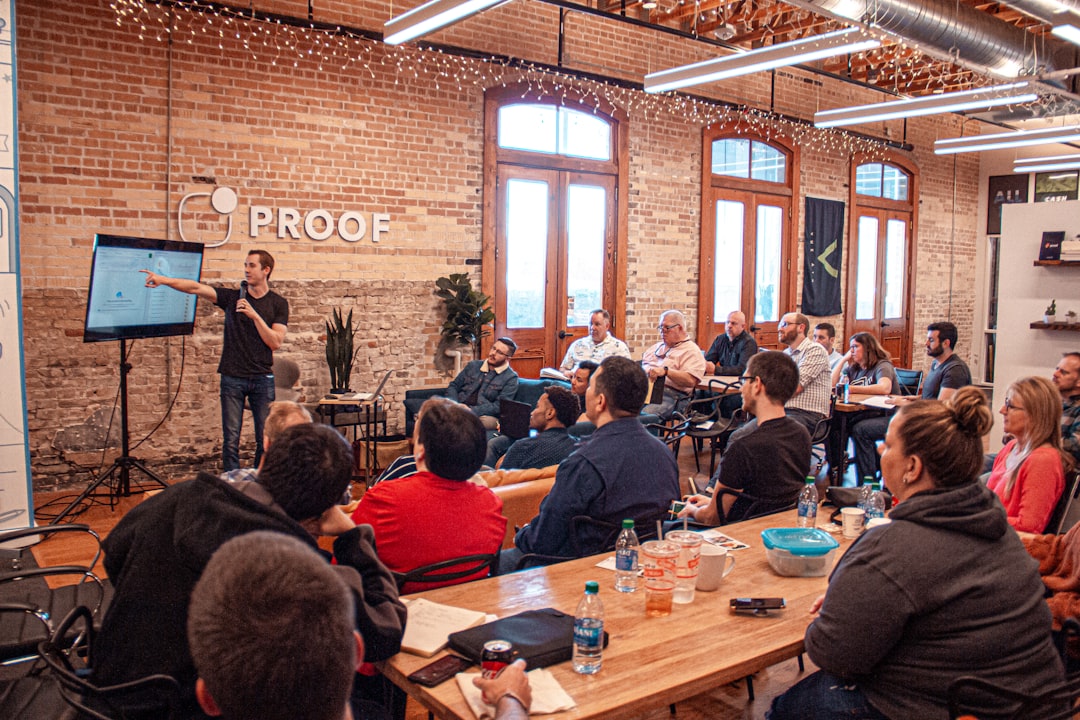
Mastering the Art of Conference Planning: Your Pathway to Success
When it comes to organizing a conference, the stakes can feel high. You’re not just coordinating schedules and seating arrangements; you’re crafting an experience that brings together minds, sparks ideas, and fosters connections. Whether you’re a seasoned planner or stepping into the role for the first time, understanding the nuances of effective conference planning can make all the difference. This blog will delve into unique approaches to conference planning, ensuring you not only meet but exceed your attendees’ expectations.
First and foremost, it’s crucial to understand your audience. Who are you inviting? What do they value? A tech-savvy group might appreciate interactive sessions and live demonstrations, while industry veterans may prefer more traditional formats that allow for networking and discussion. Conducting a pre-conference survey can help you gauge the interests and preferences of your attendees, allowing you to tailor your agenda accordingly.
Next, let’s talk budget. Many think that an unforgettable conference requires a bottomless budget, but that’s far from the truth. Creativity can often yield spectacular results. Consider reaching out to local sponsors who might be eager to showcase their products or services. This not only alleviates some financial burden but also enriches the conference experience for attendees. Additionally, think about your venue. While lavish hotels can be appealing, local community centers or educational institutions can offer unique atmospheres and lower costs.
Now, on to the programming. This is where you can really shine as a planner. Instead of a series of monotonous presentations, incorporate a variety of formats. Panel discussions, roundtables, and breakout sessions can keep energy levels high and encourage engagement. Don’t shy away from including fun activities that can serve as icebreakers, like a short guided meditation or a team-building exercise. Remember, the goal is to create an environment conducive to learning and networking.
A significant trend in recent years is the integration of technology into conference planning. Live streaming sessions, utilizing apps for real-time feedback, and social media engagement can create a more inclusive atmosphere. Attendees who are unable to physically attend the conference can still participate and contribute, expanding your reach and impact. Furthermore, consider a dedicated hashtag to foster online conversations before, during, and after the event.
Sustainability is another essential aspect to keep in mind. Eco-friendly conferences are not just a trend; they’re a responsibility. Opt for digital materials over printed ones, utilize sustainable catering options, and encourage carpooling or public transportation. This not only reduces your carbon footprint but also attracts environmentally conscious attendees.
After the conference, the work isn’t over. Gather feedback through surveys and analyze what worked and what didn’t. This data is invaluable for future planning and helps you continuously improve your events. Plus, sharing highlights, key takeaways, and photos on your website and social media can keep the momentum going and maintain connections forged during the conference.
Ultimately, successful conference planning lies in the details. Every choice, from the venue to the snacks, plays a role in shaping the overall experience. Embrace your creativity, listen to your audience, and be willing to adapt. Remember, a conference is not just an event; it’s a gathering of ideas and innovations that can pave the way for future collaborations and breakthroughs. So take a deep breath, channel your inner event maestro, and get ready to create an unforgettable experience for all involved!